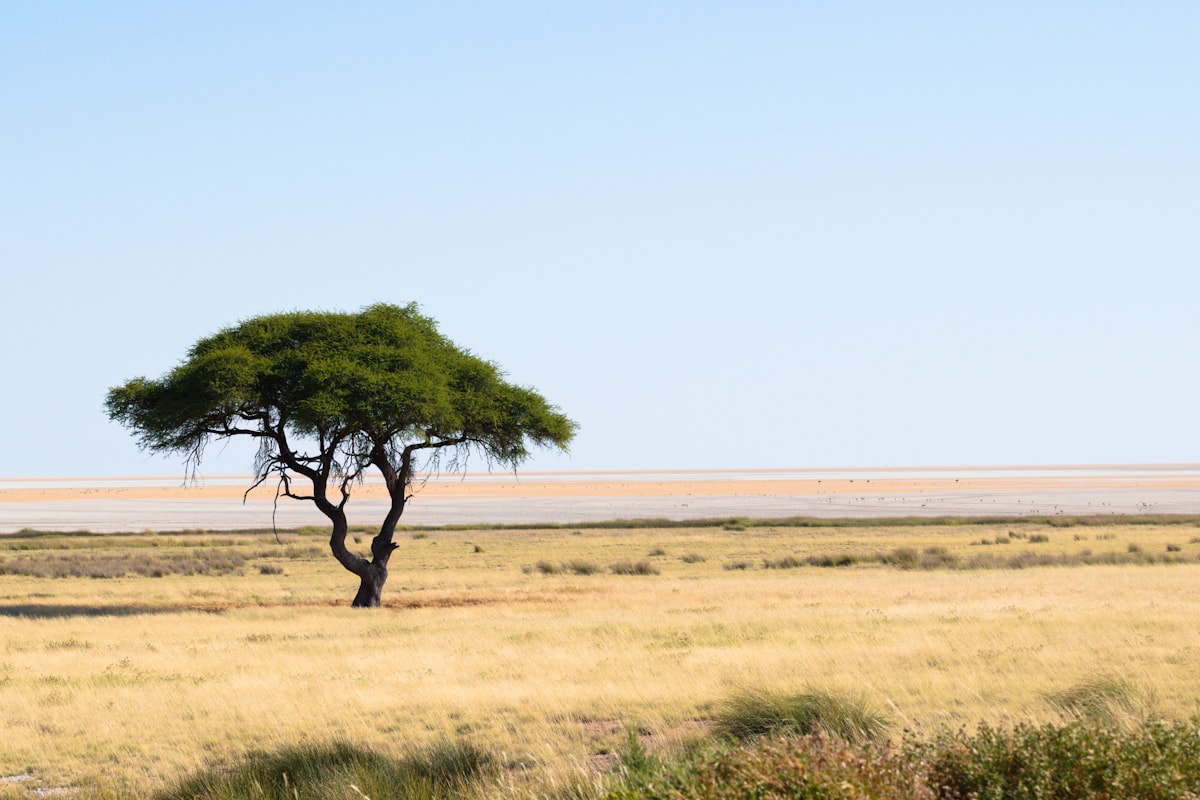
Serengeti, Tanzania
Africa

Serengeti Itinerary

Tanzania

Endless plains and the world's greatest wildlife migration.

Endless plains and the world's greatest wildlife migration. This Serengeti travel guide turns that into a tailored 1–4 day itinerary — the anchor tables worth booking ahead, where to base yourself, Tanzania food like Nyama choma, and the best time to go — planned hour by hour so your trip runs the way locals live it.

Language
Swahili & English
Currency
Tanzanian shilling (TSh)

Loading rate…

Best months
Jun–Oct (dry; migration crossings ~Jul–Sep)
When to avoid
Apr–May (long rains)

Build your Serengeti itinerary

Choose how many days you have and we'll lay out a day-by-day plan built around the experiences and flavors you can only get here. Pick your trip length below.

Trip length
A tailored 3-day plan for Serengeti
Day 1

Into the Endless Plains

AIRSTRIP · FIRST GAME DRIVE · SUNDOWNERS
  1. ~10:00a
  2. ~12:30p
  3. ~3:30p
  4. 6:00p
  5. 8:00p

Most camps run two game drives a day — dawn and late afternoon, the wildlife's active hours. Pack neutral colours, a warm layer for the open vehicle at dawn and dusk, and binoculars; the midday heat is for resting.

Day 2

The Great Migration & the Big Cats

DAWN DRIVE · RIVER CROSSINGS · PREDATORS
  1. 6:00a
  2. ~8:30a
  3. ~10:00a
  4. ~12:30p
  5. ~4:00p
  6. ~8:00p

The migration's position moves month to month — calving in the south (Jan–Mar), river crossings in the north (Jul–Oct) — so the season shapes where you stay. Sightings are never guaranteed, but a great guide and a private concession's off-road access transform the odds.

Day 3

On Foot, by Balloon & with the Maasai

BALLOON SAFARI · WALKING SAFARI · MAASAI VILLAGE
  1. 5:30a
  2. ~8:00a
  3. ~10:30a
  4. ~3:30p
  5. ~6:30p
  6. ~8:00p

The dawn balloon is the splurge of the trip and utterly worth it — book it early, as baskets are limited. Walking and night drives depend on the concession's rules; private reserves like Grumeti allow what the national park can't.

On the map

Serengeti itinerary locations

17 pinned stops across the route. Tap a pin to open it in Google Maps. Hold Ctrl and scroll to zoom the map.

Map loads as you scroll
The specialty of Serengeti

What to eat in Serengeti — and what to bring home

Tanzanian food blends East African staples with Swahili-coast spice; on safari it's hearty camp cooking, while the coast layers in coconut and Indian-Arab influence.

Signature dishes

Unique local ingredients

Artisan goods to take home

Where to base yourself

Where to stay in Serengeti

  • Seronera (Central)Year-round wildlife and the most lodges — a reliable, accessible first-safari base.
    Stays ›
  • Northern SerengetiFor the Mara River crossings of the Great Migration, roughly July to October.
    Stays ›
  • Western Corridor (Grumeti)Migration territory around May to June — quieter, exclusive camps.
    Stays ›
  • Ndutu / Southern plainsCalving season, roughly December to March — dense wildlife on the short-grass plains.
    Stays ›
Compare all stays in Serengeti
On the ground

Getting around Serengeti

In the Serengeti you don't self-drive — you stay at a lodge or tented camp and explore on guided game drives in 4x4s, arranged as part of your safari. Camps are reached by light aircraft to airstrips (Seronera, Kogatende) or a long 4x4 transfer from Arusha. Where you base depends on the season, as the migration's calving, rutting, and river-crossing phases move across the park through the year.

Book tours, tickets & experiences in Serengeti

Some links here are affiliate links — we may earn a commission at no extra cost to you. How this works.

Before you land

Know before you go to Serengeti

Local etiquette

  • Stay in the vehicle unless your guide says otherwise — this is non-negotiable and it's what keeps you safe.
  • Neutral-coloured clothing; avoid bright white and dark blue/black (the latter attracts tsetse flies).
  • Light aircraft transfers have strict luggage limits — usually ~15kg in a soft bag. Not a suggestion.

Tipping

Tipping guides and camp staff is expected and a meaningful part of their income — budget for it (guidelines are usually given by your operator).

Tap water

Drink bottled or filtered water, provided by camps.

Watch out for

Malaria is present — take prophylaxis and use repellent. Where you stay must match the season: the migration moves, and the wrong camp at the wrong month means a much quieter trip.

Good to know

Serengeti travel FAQ

How many days do you need in Serengeti?
Serengeti works well as a 1-to-4-day trip. 3 days covers the essentials at a comfortable pace; add a day for slower mornings or a side trip. You can switch between plan lengths on this page.
What food is Serengeti known for?
Serengeti is known for Nyama choma, Ugali, Pilau & biryani, among others — all featured on the itinerary, with notes on where to find them.
What currency and language are used in Serengeti?
In Serengeti, the currency is the Tanzanian shilling (TSh) (TZS) and the main language is Swahili & English.
Do you tip in Serengeti?
Tipping guides and camp staff is expected and a meaningful part of their income — budget for it (guidelines are usually given by your operator).
Where should I stay in Serengeti?
Good bases in Serengeti include Seronera, Northern Serengeti, Western Corridor. The itinerary's "Where to stay" section breaks down what each neighbourhood is like and who it suits.