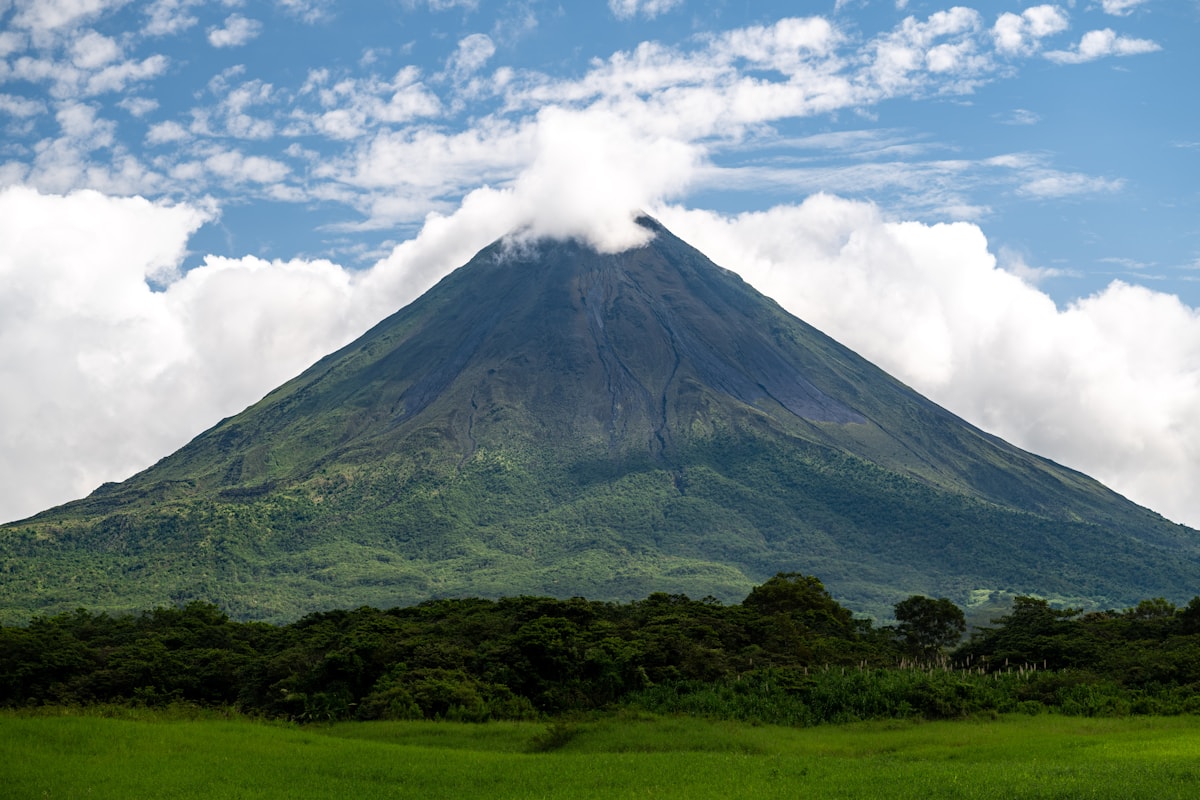
Costa Rica, Costa Rica
Americas

Costa Rica Itinerary

Costa Rica

Rainforest, volcanoes, and pura-vida eco-luxury on two coasts.

Rainforest, volcanoes, and pura-vida eco-luxury on two coasts. This Costa Rica travel guide turns that into a tailored 1–4 day itinerary — the anchor tables worth booking ahead, where to base yourself, Costa Rica food like Gallo pinto, and the best time to go — planned hour by hour so your trip runs the way locals live it.

Language
Spanish
Currency
Costa Rican colón (₡)

Loading rate…

Best months
Dec–Apr (dry season)
When to avoid
Sep–Oct (heaviest rain, Pacific)

Build your Costa Rica itinerary

Choose how many days you have and we'll lay out a day-by-day plan built around the experiences and flavors you can only get here. Pick your trip length below.

Trip length
A tailored 3-day plan for Costa Rica
Day 1

Pacific Beaches & Pura Vida — Guanacaste

PAPAGAYO · GUANACASTE BEACHES · PACIFIC
  1. ~7:00a
  2. ~9:00a
  3. ~10:30a
  4. ~1:00p
  5. ~3:30p
  6. ~5:30p
  7. 8:00p

Guanacaste is Costa Rica's Pacific resort coast — reliable dry-season sun, calm swimming bays, and adventure (ziplines, catamarans) on tap, with abundant wildlife even around the resorts. It pairs naturally with an inland volcano or rainforest leg.

Day 2

Arenal Volcano, Hot Springs & Cloud Forest

ARENAL · LA FORTUNA · HANGING BRIDGES
  1. ~8:00a
  2. ~11:00a
  3. ~1:00p
  4. ~3:00p
  5. ~5:30p
  6. ~8:00p

Arenal is Costa Rica's volcano-and-hot-springs heartland — pair the national park and canopy bridges by day with a soak in the naturally heated thermal pools by evening. The cone is often cloud-wrapped, so morning gives the best chance of a clear view.

Day 3

Rainforest Immersion — Monteverde or the Osa

CLOUD FOREST · WILDLIFE · CONSERVATION
  1. ~6:30a
  2. ~9:30a
  3. ~11:00a
  4. ~1:30p
  5. ~3:30p
  6. ~7:30p

The rainforest leg — cloud-forest Monteverde or the wild Osa Peninsula (Corcovado) — is where Costa Rica's extraordinary biodiversity comes fully alive. Dawn with a naturalist guide is the richest wildlife experience; the conservation ethic runs through everything, from the parks to the coffee farms.

On the map

Costa Rica itinerary locations

19 pinned stops across the route. Tap a pin to open it in Google Maps. Hold Ctrl and scroll to zoom the map.

Map loads as you scroll
The specialty of Costa Rica

What to eat in Costa Rica — and what to bring home

Costa Rican (Tico) food is fresh, wholesome, and built on rice, beans, and an abundance of tropical fruit and vegetables — simple cooking that lets superb ingredients and world-class coffee shine. 'Pura vida' extends to the table: unhurried, generous, and unfussy.

Signature dishes

Unique local ingredients

Artisan goods to take home

Where to base yourself

Where to stay in Costa Rica

  • San Jose & Central ValleyThe capital and airport hub — a practical first or last night, not the main draw.
    Stays ›
  • Arenal / La FortunaVolcano, hot springs, and rainforest adventure — a popular inland base.
    Stays ›
  • MonteverdeCloud forest, hanging bridges, and zip-lines — cool, misty, and mountainous.
    Stays ›
  • Manuel AntonioPacific beaches beside a wildlife-packed national park — the easy beach-and-nature combo.
    Stays ›
  • Guanacaste (north Pacific)Dry-season sunshine and resort beaches like Tamarindo — with its own airport at Liberia.
    Stays ›
Compare all stays in Costa Rica
On the ground

Getting around Costa Rica

Costa Rica is best done as a multi-stop loop between regions, most flexibly by rental car (a 4x4 helps on rougher roads, and journeys take longer than the distance suggests). Tourist shuttles and domestic flights connect the main hubs if you'd rather not drive. Two airports — San Jose (SJO) and Liberia (LIR) — let you bookend a route; roads are scenic but winding.

Book tours, tickets & experiences in Costa Rica

Some links here are affiliate links — we may earn a commission at no extra cost to you. How this works.

Before you land

Know before you go to Costa Rica

Local etiquette

  • 'Pura vida' is a genuine greeting, thanks, and philosophy — use it.
  • Never touch or feed wildlife, and don't buy anything made from animals.
  • Distances take far longer than the map suggests — roads are winding and often unpaved.

Tipping

A 10% service charge is legally added to restaurant bills. Extra is optional; tip guides and drivers.

Tap water

Tap water is safe in most of the country, including San José and the main tourist areas.

Watch out for

Riptides on Pacific beaches drown people every year, and many beaches have no lifeguard. Don't leave valuables on the sand or visible in a car — theft from rental cars is the main crime issue.

Good to know

Costa Rica travel FAQ

How many days do you need in Costa Rica?
Costa Rica works well as a 1-to-4-day trip. 3 days covers the essentials at a comfortable pace; add a day for slower mornings or a side trip. You can switch between plan lengths on this page.
What food is Costa Rica known for?
Costa Rica is known for Gallo pinto, Casado, Ceviche, among others — all featured on the itinerary, with notes on where to find them.
What currency and language are used in Costa Rica?
In Costa Rica, the currency is the Costa Rican colón (₡) (CRC) and the main language is Spanish.
Do you tip in Costa Rica?
A 10% service charge is legally added to restaurant bills. Extra is optional; tip guides and drivers.
Where should I stay in Costa Rica?
Good bases in Costa Rica include San Jose & Central Valley, Arenal / La Fortuna, Monteverde. The itinerary's "Where to stay" section breaks down what each neighbourhood is like and who it suits.