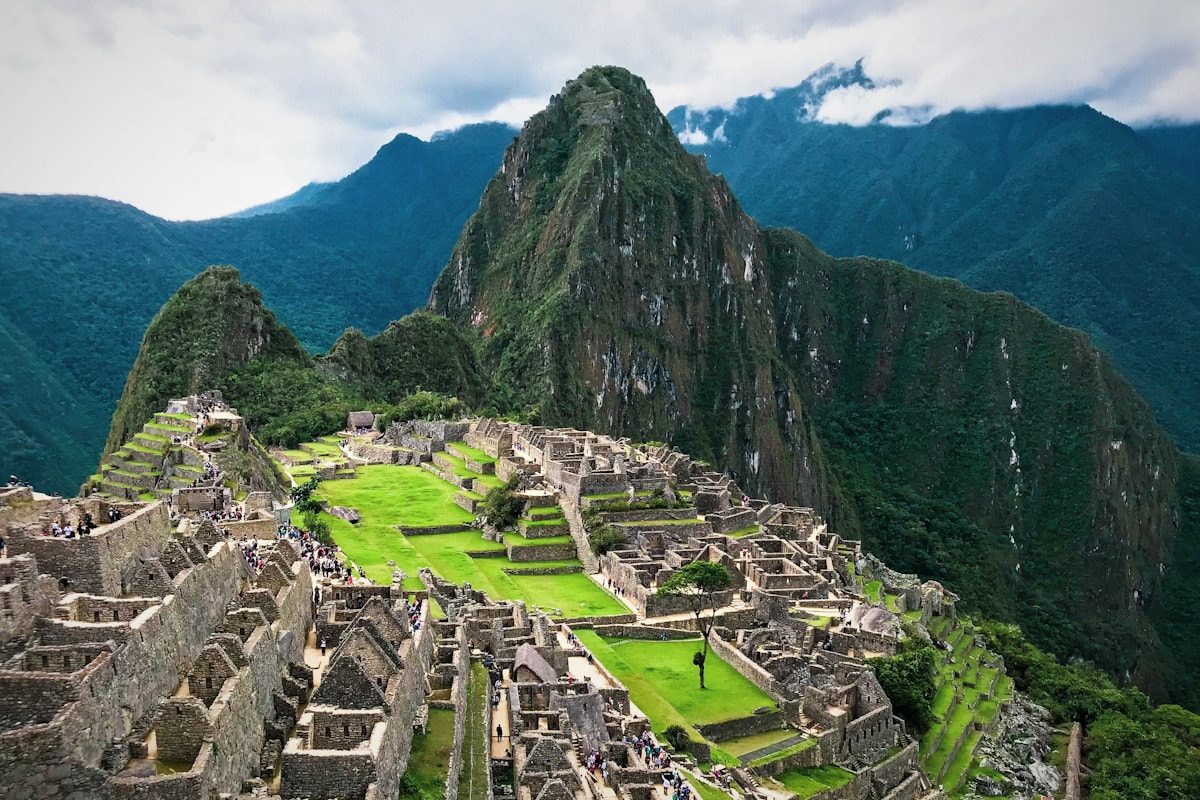
- How many days do you need in Cusco?
- Cusco works well as a 1-to-4-day trip. 3 days covers the essentials at a comfortable pace; add a day for slower mornings or a side trip. You can switch between plan lengths on this page.
- What food is Cusco known for?
- Cusco is known for Lomo saltado, Cuy, Ají de gallina, among others — all featured on the itinerary, with notes on where to find them.
- What currency and language are used in Cusco?
- In Cusco, the currency is the Peruvian sol (S/) (PEN) and the main language is Spanish & Quechua.
- What festivals happen in Cusco?
- Cusco's signature events include Inti Raymi, Corpus Christi. Dates shift year to year — see the festivals section for the season each falls in and which ones require booking ahead.
- Do you tip in Cusco?
- Small tips for guides, porters, and restaurants (~10%) are customary and matter a great deal to income.
- What are the best day trips from Cusco?
- Popular day trips from Cusco include Sacred Valley (Pisac & Ollantaytambo), Rainbow Mountain (Vinicunca), Maras & Moray. Each is a comfortable there-and-back day — see the day trips section for travel times and how to get there.
- Where should I stay in Cusco?
- Good bases in Cusco include Historic Centre, San Blas, San Pedro. The itinerary's "Where to stay" section breaks down what each neighbourhood is like and who it suits.