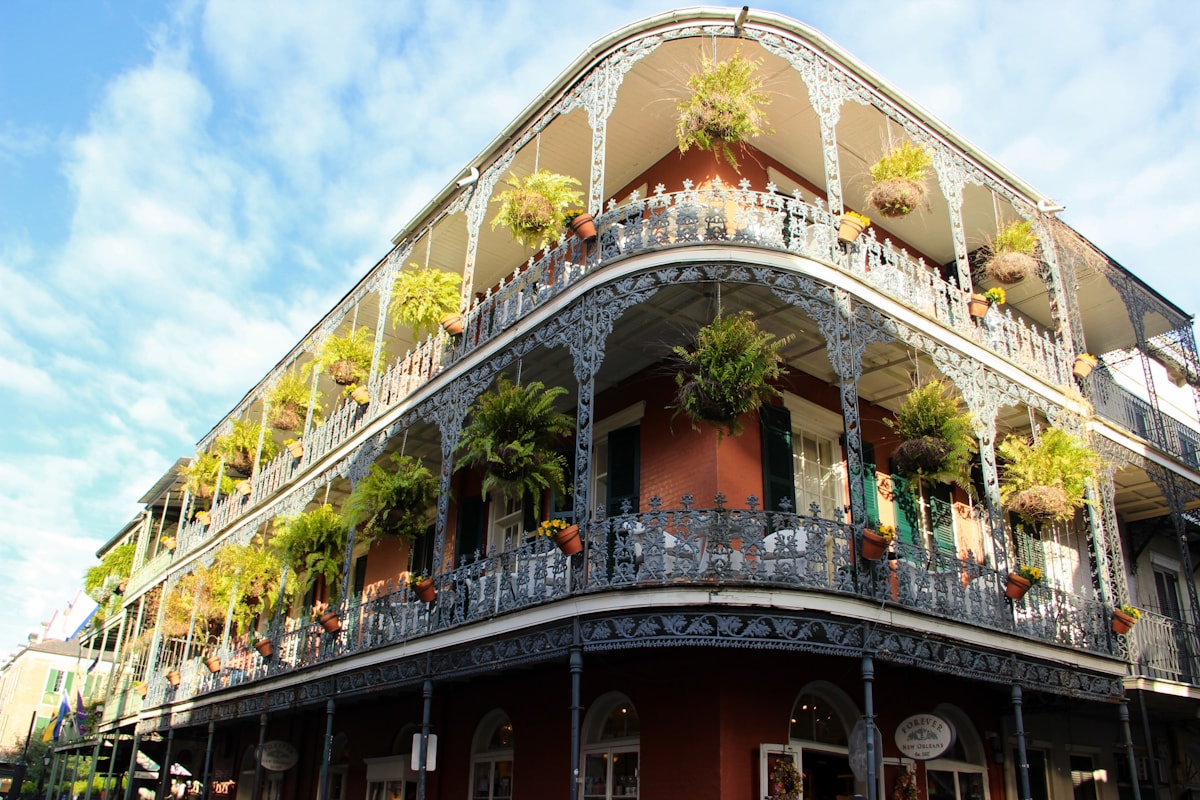
New Orleans, United States
Americas

New Orleans Itinerary

United States

Jazz, Creole cooking, and a culture all its own.

Jazz, Creole cooking, and a culture all its own. This New Orleans travel guide turns that into a tailored 1–4 day itinerary — the anchor tables worth booking ahead, where to base yourself, United States food like Gumbo, and the best time to go — planned hour by hour so your trip runs the way locals live it.

Language
English
Currency
US dollar ($)
Best months
Feb–May, Oct–Nov
When to avoid
Jul–Sep (heat, humidity, hurricanes)

Build your New Orleans itinerary

Choose how many days you have and we'll lay out a day-by-day plan built around the experiences and flavors you can only get here. Pick your trip length below.

Trip length
A tailored 3-day plan for New Orleans
Day 1

The French Quarter & Creole Cooking

JACKSON SQUARE · FRENCH MARKET · BOURBON STREET
  1. ~8:30a
  2. ~9:30a
  3. ~11:00a
  4. ~1:00p
  5. ~3:30p
  6. 8:00p

New Orleans is a food-and-music city before all else — beignets to start, a po'boy at lunch, a grande-dame dinner. The Quarter is walkable; the streetcar is the lovely way to reach the Garden District.

Day 2

Jazz, the River & the Bayou

FRENCHMEN STREET · STEAMBOAT · TREMÉ
  1. ~9:30a
  2. ~11:30a
  3. ~1:30p
  4. ~3:30p
  5. ~8:00p

Frenchmen Street, not Bourbon, is where the real music is — wander between clubs and follow your ears. The swamp tour is a great half-day for the wild side of Louisiana if you have the time.

Day 3

Cemeteries, Voodoo & the Arts

ST. LOUIS CEMETERY · WAREHOUSE DISTRICT · MAGAZINE ST
  1. ~9:30a
  2. ~11:30a
  3. ~1:30p
  4. ~3:30p
  5. ~7:30p

Cemetery No. 1 now requires a licensed guide — book a tour for the history and the Laveau legend. The WWII Museum genuinely warrants a half-day; it's one of the finest in the country.

On the map

New Orleans itinerary locations

16 pinned stops across the route. Tap a pin to open it in Google Maps. Hold Ctrl and scroll to zoom the map.

Map loads as you scroll
The specialty of New Orleans

What to eat in New Orleans — and what to bring home

New Orleans is one of America's great food cities — a singular blend of Creole and Cajun cooking, French technique, African and Caribbean soul, and the birthplace of the cocktail.

Signature dishes

Unique local ingredients

Artisan goods to take home

Where to base yourself

Where to stay in New Orleans

  • French QuarterThe historic heart — music, balconies, and walkability; central and lively (and loud).
    Stays ›
  • Marigny / BywaterBohemian and colourful just downriver — Frenchmen Street's music scene.
    Stays ›
  • Garden DistrictOak-lined streets and antebellum mansions — genteel, a streetcar ride out.
    Stays ›
  • CBD / Warehouse DistrictMuseums and modern hotels near the Quarter — convenient and calmer.
    Stays ›
Compare all stays in New Orleans
On the ground

Getting around New Orleans

New Orleans is compact and walkable in the Quarter, with historic streetcars along St. Charles and Canal (tap or buy a Jazzy Pass) and buses beyond. Rideshare is easy for longer hops or late nights. From the airport, an airport bus or rideshare reaches the centre; a car isn't needed for a Quarter-focused visit.

Book tours, tickets & experiences in New Orleans

Some links here are affiliate links — we may earn a commission at no extra cost to you. How this works.

Before you land

Know before you go to New Orleans

Local etiquette

  • You can drink alcohol on the street in a plastic 'go-cup' — but not from glass, and not outside the Quarter's rules.
  • Second line parades and jazz funerals are community events, not performances — watch respectfully and don't block the procession.

Tipping

18–20% at restaurants; tip bartenders and street musicians.

Tap water

Tap water is treated and safe, though many prefer filtered.

Watch out for

The Quarter is fine but the streets around it change character quickly at night — take a cab or rideshare rather than walking unfamiliar blocks. Heat and humidity in summer are genuinely dangerous; hydrate.

Time it right

Festivals & events in New Orleans

Dates shift from year to year, so these are anchored to their season — always confirm the exact dates before you book flights around one.

  • February or early March

    Mardi GrasBook ahead

    Parades, krewes, and beads for weeks before Fat Tuesday. The city's identity, distilled. Book far ahead.

  • Late April–early May

    Jazz FestBook ahead

    Two weekends of music at the fairgrounds — not just jazz, and the food alone justifies it.

  • April

    French Quarter Fest

    Free music across the Quarter, and locals will tell you it's the better festival.

Check availability around these dates
Good to know

New Orleans travel FAQ

How many days do you need in New Orleans?
New Orleans works well as a 1-to-4-day trip. 3 days covers the essentials at a comfortable pace; add a day for slower mornings or a side trip. You can switch between plan lengths on this page.
What food is New Orleans known for?
New Orleans is known for Gumbo, Jambalaya, Po'boy, among others — all featured on the itinerary, with notes on where to find them.
What currency and language are used in New Orleans?
In New Orleans, the currency is the US dollar ($) (USD) and the main language is English.
What festivals happen in New Orleans?
New Orleans's signature events include Mardi Gras, Jazz Fest, French Quarter Fest. Dates shift year to year — see the festivals section for the season each falls in and which ones require booking ahead.
Do you tip in New Orleans?
18–20% at restaurants; tip bartenders and street musicians.
Where should I stay in New Orleans?
Good bases in New Orleans include French Quarter, Marigny / Bywater, Garden District. The itinerary's "Where to stay" section breaks down what each neighbourhood is like and who it suits.