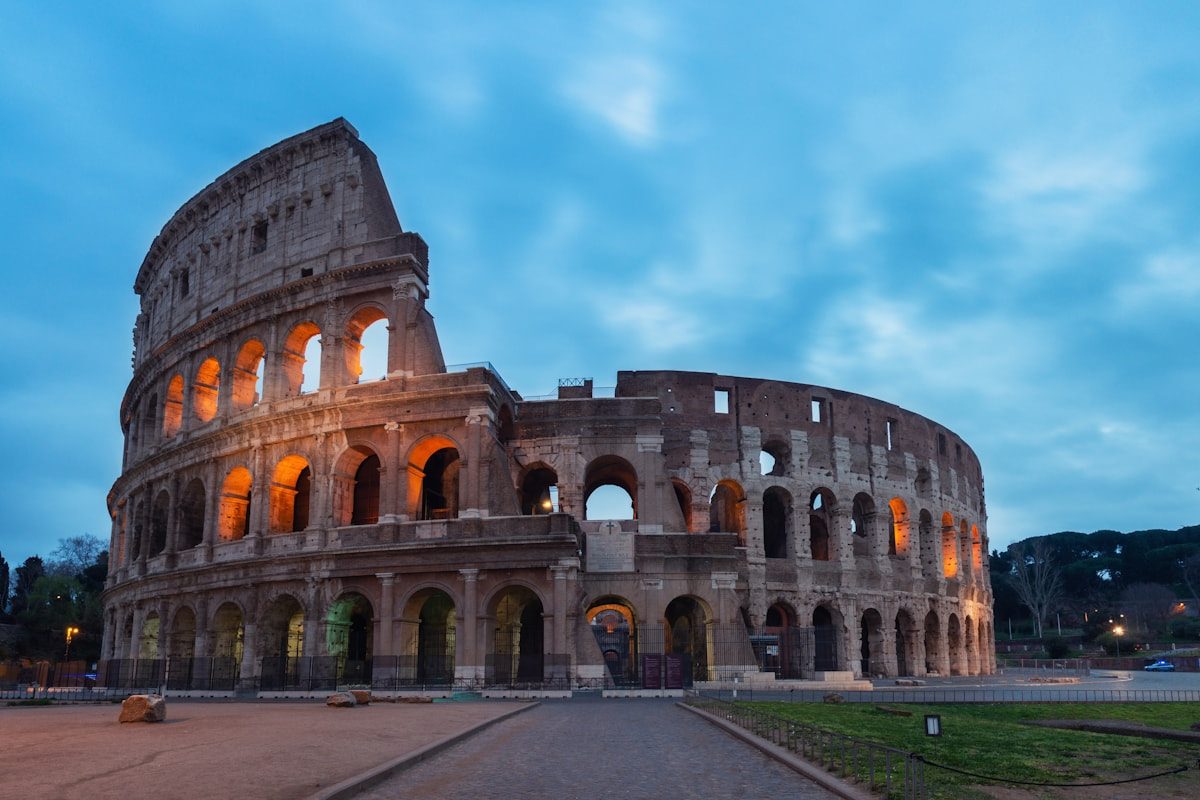
Rome, Italy
Europe

Rome Itinerary

Italy

Three thousand years of history layered street over street.

Three thousand years of history layered street over street. This Rome travel guide turns that into a tailored 1–4 day itinerary — the anchor tables worth booking ahead, where to base yourself, Italy food like The four Roman pastas, and the best time to go — planned hour by hour so your trip runs the way locals live it.

Language
Italian
Currency
Euro (€)

Loading rate…

Best months
Apr–May, Sep–Oct
When to avoid
Jul–Aug (hot, crowded)

Build your Rome itinerary

Choose how many days you have and we'll lay out a day-by-day plan built around the experiences and flavors you can only get here. Pick your trip length below.

Trip length
A tailored 3-day plan for Rome
Day 1

Ancient Rome & the Baroque Heart

COLOSSEUM · FORUM · PANTHEON · TREVI
  1. ~8:00a
  2. 8:30a
  3. ~12:00p
  4. ~1:00p
  5. ~3:00p
  6. 8:00p

Ancient Rome rewards the early timed ticket — by mid-morning the Colosseum queue is brutal. La Pergola sits up on Monte Mario; budget a taxi each way and keep the evening clear for it.

Day 2

Vatican City & Trastevere

VATICAN MUSEUMS · ST PETER'S · TRASTEVERE
  1. ~8:00a
  2. 9:00a
  3. ~12:00p
  4. ~1:30p
  5. ~4:00p
  6. ~7:30p

The Vatican is the one unmissable early booking — Wednesday mornings draw crowds for the papal audience, so aim another day. St Peter's enforces a dress code: shoulders and knees covered.

Day 3

Baroque Center, Shops & the Ghetto

SPANISH STEPS · VIA DEI CONDOTTI · GHETTO
  1. ~8:30a
  2. ~9:30a
  3. ~10:30a
  4. ~1:00p
  5. ~3:30p
  6. 5:00p
  7. ~8:00p

This is the flat, central, shop-and-stroll day. Via dei Condotti is for windows and the artisans are the real finds; time the Janiculum for sunset — it's the terrace Romans themselves climb for the view.

On the map

Rome itinerary locations

19 pinned stops across the route. Tap a pin to open it in Google Maps. Hold Ctrl and scroll to zoom the map.

Map loads as you scroll
The specialty of Rome

What to eat in Rome — and what to bring home

Roman cooking is cucina povera at its most confident: a handful of humble, intensely local ingredients turned into some of Italy's most famous plates. It's built on sheep's-milk pecorino, cured pork cheek, and black pepper; on the 'fifth quarter' of offal the slaughterhouse workers of Testaccio took home; and on the artichokes, chicory, and lamb of the surrounding Lazio countryside.

Signature dishes

Unique local ingredients

Artisan goods to take home

Where to base yourself

Where to stay in Rome

  • Centro StoricoThe historic heart around the Pantheon and Piazza Navona — everything on foot, at a premium.
    Stays ›
  • MontiBohemian and characterful just off the Colosseum: wine bars, artisans, and a local feel.
    Stays ›
  • TrastevereCobbled, atmospheric, and food-focused — lively evenings across the river.
    Stays ›
  • PratiElegant and calmer near the Vatican, with great shopping and easy metro access.
    Stays ›
Compare all stays in Rome
On the ground

Getting around Rome

Rome's centre is best explored on foot — much of it is a pedestrian maze of piazzas. The metro (lines A, B, C) is limited but useful, supplemented by trams and buses; tap a contactless card or buy tickets in advance. From Fiumicino, the Leonardo Express runs to Termini in about 32 minutes; Ciampino connects by bus. Wear good shoes — the cobbles are relentless.

Book tours, tickets & experiences in Rome

Some links here are affiliate links — we may earn a commission at no extra cost to you. How this works.

Worth the journey

Day trips from Rome

Each of these is a comfortable there-and-back day. Travel times are one way, by the route most visitors actually take.

  • Pompeii

    ~2 hr 30 min
    Train to Naples, then Circumvesuviana

    A Roman city frozen by Vesuvius in 79 AD. A long day, but nothing else makes antiquity feel so domestic.

    Tours & tickets ›
  • Tivoli

    ~1 hr
    Regional train or bus

    Hadrian's Villa and the Renaissance fountains of Villa d'Este. The best short escape from the city — both are UNESCO sites.

    Tours & tickets ›
  • Ostia Antica

    ~40 min
    Metro + regional train

    Rome's ancient port — Pompeii-like ruins without the journey or the crowds. The value pick if time is tight.

    Tours & tickets ›
  • Orvieto

    ~1 hr 20 min
    Train from Termini

    A hill town on a volcanic plug, with a striped cathedral and underground caves. Umbria in a day.

    Tours & tickets ›
Before you land

Know before you go to Rome

Local etiquette

  • Coffee is drunk standing at the bar and costs a fraction of table service — sitting down changes the price, legally and openly.
  • No cappuccino after about 11am; espresso is the afternoon drink. Nobody will stop you, but you'll be marked as a tourist.
  • Shoulders and knees must be covered to enter St. Peter's and most churches — this is enforced at the door.

Tipping

Not expected. A 'coperto' (cover charge) is usually on the bill already; rounding up is enough. There's no tipping culture in bars.

Tap water

Tap water is safe, and the street fountains (nasoni) run cold, clean drinking water all over the city — refill your bottle for free.

Watch out for

Restaurants immediately beside major sights with photo menus and touts outside are almost always poor value. Walk three streets away. Beware 'gladiators' at the Colosseum demanding payment for photos.

Time it right

Festivals & events in Rome

Dates shift from year to year, so these are anchored to their season — always confirm the exact dates before you book flights around one.

  • March or April

    Easter / Holy WeekBook ahead

    Papal Mass and the Way of the Cross at the Colosseum. Rome fills completely — book far ahead or avoid.

  • 21 April

    Natale di Roma

    The city's birthday, celebrated with costumed processions and gladiator re-enactments at the Circus Maximus.

  • June–September

    Estate Romana

    Open-air cinema, concerts, and riverside bars along the Tiber all summer — the city's answer to the heat.

Check availability around these dates
Good to know

Rome travel FAQ

How many days do you need in Rome?
Rome works well as a 1-to-4-day trip. 3 days covers the essentials at a comfortable pace; add a day for slower mornings or a side trip. You can switch between plan lengths on this page.
What food is Rome known for?
Rome is known for The four Roman pastas, Carciofi alla giudia, Supplì, among others — all featured on the itinerary, with notes on where to find them.
What currency and language are used in Rome?
In Rome, the currency is the Euro (€) (EUR) and the main language is Italian.
What festivals happen in Rome?
Rome's signature events include Easter / Holy Week, Natale di Roma, Estate Romana. Dates shift year to year — see the festivals section for the season each falls in and which ones require booking ahead.
Do you tip in Rome?
Not expected. A 'coperto' (cover charge) is usually on the bill already; rounding up is enough. There's no tipping culture in bars.
What are the best day trips from Rome?
Popular day trips from Rome include Pompeii, Tivoli, Ostia Antica. Each is a comfortable there-and-back day — see the day trips section for travel times and how to get there.
Where should I stay in Rome?
Good bases in Rome include Centro Storico, Monti, Trastevere. The itinerary's "Where to stay" section breaks down what each neighbourhood is like and who it suits.