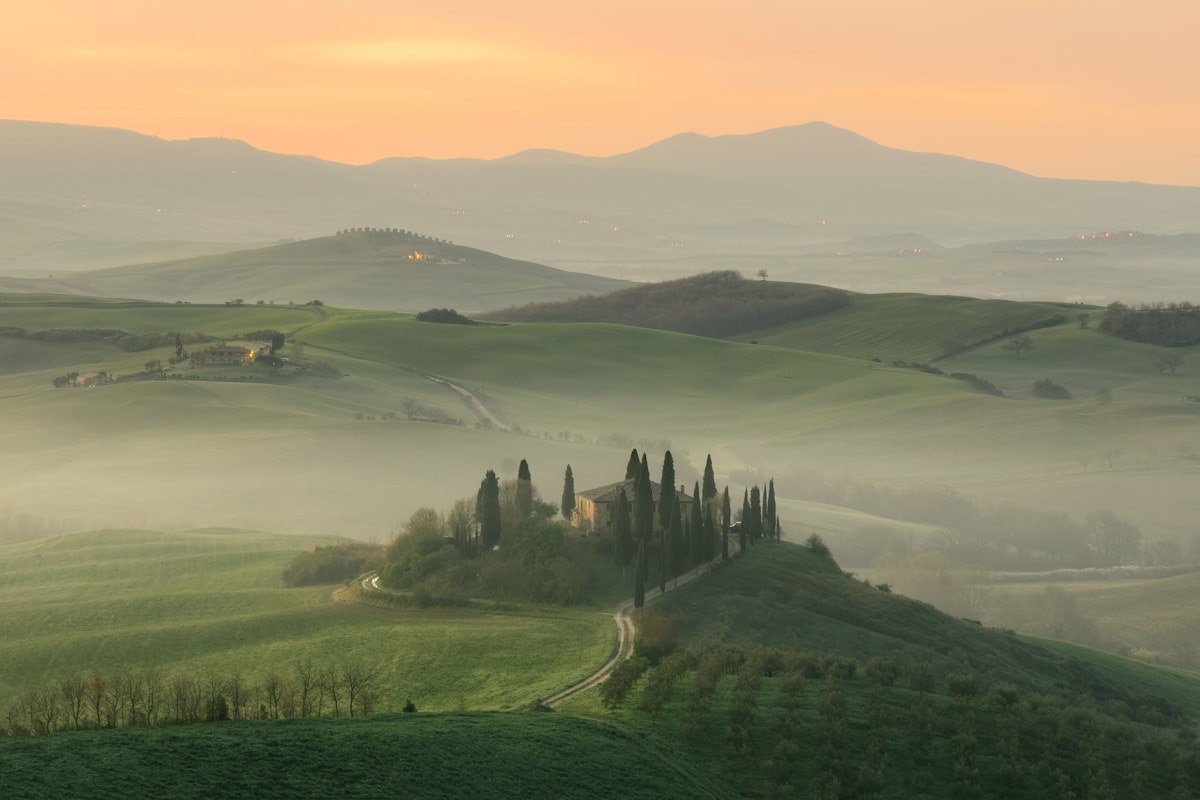
Tuscany, Italy
Europe

Tuscany Itinerary

Italy

Rolling vineyards, hill towns, and the heart of Italian wine.

Rolling vineyards, hill towns, and the heart of Italian wine. This Tuscany travel guide turns that into a tailored 1–4 day itinerary — the anchor tables worth booking ahead, where to base yourself, Italy food like Bistecca alla Fiorentina, and the best time to go — planned hour by hour so your trip runs the way locals live it.

Language
Italian
Currency
Euro (€)

Loading rate…

Best months
May–Jun, Sep–Oct
When to avoid
Jul–Aug (heat, crowds); winter (quiet)

Build your Tuscany itinerary

Choose how many days you have and we'll lay out a day-by-day plan built around the experiences and flavors you can only get here. Pick your trip length below.

Trip length
A tailored 3-day plan for Tuscany
Day 1

Chianti — Vineyards, Hill Towns & Wine

CHIANTI CLASSICO · GREVE · CASTELLINA
  1. ~9:30a
  2. ~12:00p
  3. ~1:30p
  4. ~4:00p
  5. ~7:00p
  6. 8:30p

Chianti is the iconic Tuscany of cypress-lined hills and vineyards — spend the day touring wine estates and hill towns, tasting the Sangiovese reds and peppery olive oil. Use a driver for the tastings, and claim a west-facing terrace for the famous golden-hour light.

Day 2

Siena & the Heart of Medieval Tuscany

SIENA · PIAZZA DEL CAMPO · DUOMO
  1. ~9:30a
  2. ~10:30a
  3. ~1:00p
  4. ~3:00p
  5. ~7:30p

Siena is the great medieval rival to Florence — the shell-shaped Piazza del Campo and the dazzling striped Duomo are the highlights, set in a beautifully preserved Gothic city. The surrounding Sienese landscape, from the lunar Crete Senesi to walled Monteriggioni, is among Tuscany's most beautiful.

Day 3

Val d'Orcia — The Iconic Tuscan Landscape

PIENZA · MONTALCINO · VAL D'ORCIA
  1. ~9:30a
  2. ~11:30a
  3. ~1:30p
  4. ~3:30p
  5. ~5:30p
  6. ~8:00p

The Val d'Orcia is the Tuscany of imagination — the rolling cypress-dotted hills, the perfect Renaissance town of Pienza, and the great Brunello wine of Montalcino. It's the most photographed landscape in Italy, at its most magical in late-afternoon light.

On the map

Tuscany itinerary locations

17 pinned stops across the route. Tap a pin to open it in Google Maps. Hold Ctrl and scroll to zoom the map.

Map loads as you scroll
The specialty of Tuscany

What to eat in Tuscany — and what to bring home

Tuscan cooking is 'cucina povera' — simple peasant food elevated by superb ingredients: beans, bread, olive oil, grilled meats, and pecorino, all built around the region's world-famous wines. It is rustic, seasonal, and unfussy, meant to be lingered over.

Signature dishes

Unique local ingredients

Artisan goods to take home

Where to base yourself

Where to stay in Tuscany

  • FlorenceThe Renaissance capital and transport hub — a walkable city base with rail links across the region.
    Stays ›
  • SienaA medieval hill city of the Palio and Gothic streets — atmospheric and central to the countryside.
    Stays ›
  • ChiantiVineyards, farmhouses, and hill towns between Florence and Siena — the classic agriturismo wine base; car needed.
    Stays ›
  • Val d'Orcia (south)The postcard countryside around Pienza and Montalcino — cypress hills and Brunello wine.
    Stays ›
Compare all stays in Tuscany
On the ground

Getting around Tuscany

Tuscany's cities (Florence, Siena, Pisa, Lucca) are well linked by train, but the vineyards, hill towns, and countryside of Chianti and the Val d'Orcia really need a rental car. Many base themselves in a city for the art, then a rural agriturismo for the landscape. Historic centres often have restricted-traffic (ZTL) zones, so park outside the walls.

Book tours, tickets & experiences in Tuscany

Some links here are affiliate links — we may earn a commission at no extra cost to you. How this works.

Good to know

Tuscany travel FAQ

How many days do you need in Tuscany?
Tuscany works well as a 1-to-4-day trip. 3 days covers the essentials at a comfortable pace; add a day for slower mornings or a side trip. You can switch between plan lengths on this page.
What food is Tuscany known for?
Tuscany is known for Bistecca alla Fiorentina, Ribollita, Pici, among others — all featured on the itinerary, with notes on where to find them.
What currency and language are used in Tuscany?
In Tuscany, the currency is the Euro (€) (EUR) and the main language is Italian.
Where should I stay in Tuscany?
Good bases in Tuscany include Florence, Siena, Chianti. The itinerary's "Where to stay" section breaks down what each neighbourhood is like and who it suits.